A Tale of Two Audio Purchases: DAP and IEM Mini Reviews

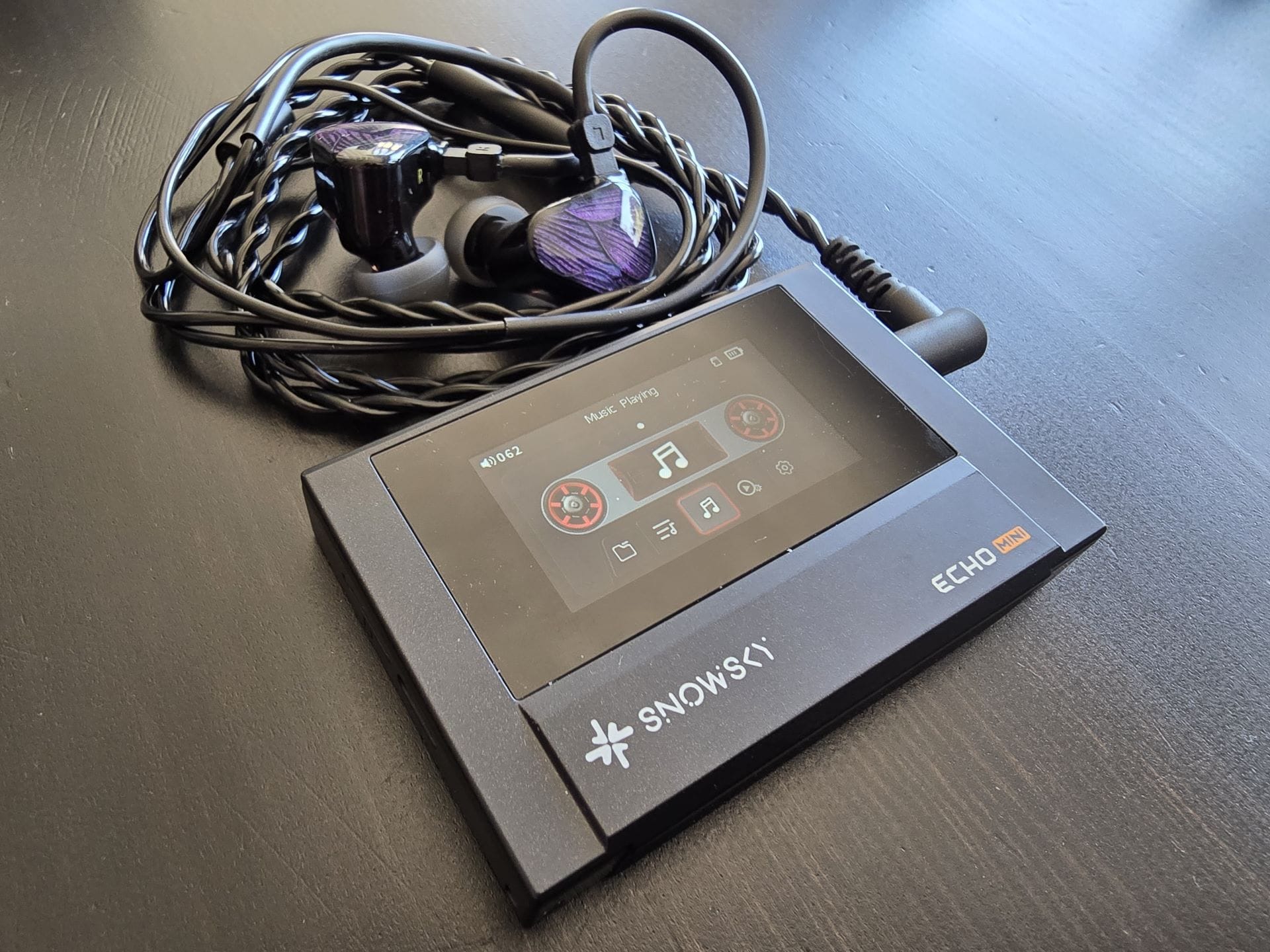
I recently splurged on some new audio equipment that's been putting a serious dent in my productivity—in the best way possible. Here's my take on two little nuggets that have been keeping me glued to my music collection.
The IEMs: Bass That Makes You Smile
Let's start with the star of the show. These IEMs are bassy—and I mean that in the most wonderful way. The bass isn't just present; it has texture, life, and depth that immediately puts a smile on your face. It's the kind of bass that makes you rediscover tracks you thought you knew inside and out.
The mids are equally impressive, sitting in that sweet spot where vocals feel intimate and instruments have proper weight. The highs, however, can get a bit sharp at times—nothing a little EQ tweaking can't solve, but worth noting if you're treble-sensitive.
The technical stuff: These deliver excellent detail retrieval and soundstage that genuinely surprised me. They're giving my beloved Truthear Hexas a serious run for their money. While the Hexas still edge out slightly on pure detail and clarity, these IEMs are significantly more fun and engaging thanks to that gorgeous bass response and slightly recessed mids.
Bottom line: If treble sensitivity isn't an issue for you, these are a fantastic pick. They've become a serious contender for my best-sounding pair, which is saying something.
The DAP: Dedicated Music Bliss (With Some Growing Pains)
I wanted a DAP for two main reasons: to enjoy my high-res FLAC collection on the go, and to have a dedicated music device free from phone notifications and auto-playing videos. Mission accomplished—mostly.
The Good: Once everything's set up, this little device is a champ. Sound quality is excellent, and there's plenty of volume headroom (even more if you switch to balanced output). It drives my DT770 Pro 80Ω headphones to satisfying levels without breaking a sweat.
The Not-So-Good: Getting music onto the SD card was more of an adventure than expected. The onboard formatting didn't work, requiring me to format the card externally and completely erase existing data before adding new files. Not exactly plug-and-play.
The device also lacks gapless playback (hopefully coming in future firmware updates—they've been pretty active with improvements). Button responsiveness can be hit-or-miss; sometimes I'll try to adjust volume and accidentally skip tracks instead. Navigation without a touchscreen means lots of scrolling through your library to find that perfect song.
The Verdict: Despite the quirks, once your music is playing and the volume is set, just pocket it and enjoy. The frequent firmware updates suggest these issues might improve over time, and for dedicated music listening, it delivers exactly what I wanted—uninterrupted, high-quality playback.